
We started with a question photographers kept asking
Why do some images hold your attention while others just pass by? That question led us to focus on composition—the structure behind every memorable photograph.

How we think about teaching composition
Back in 2015, we noticed something. Photographers would shoot hundreds of frames trying to get one that felt right. They knew something was off but couldn't pinpoint what. The problem wasn't their camera or their subject—it was understanding how elements interact within the frame.
So we built our webinars around that gap. We break down real images during live sessions. You see what works, what doesn't, and why. No magic formulas—just practical analysis you can apply the next time you're framing a shot.
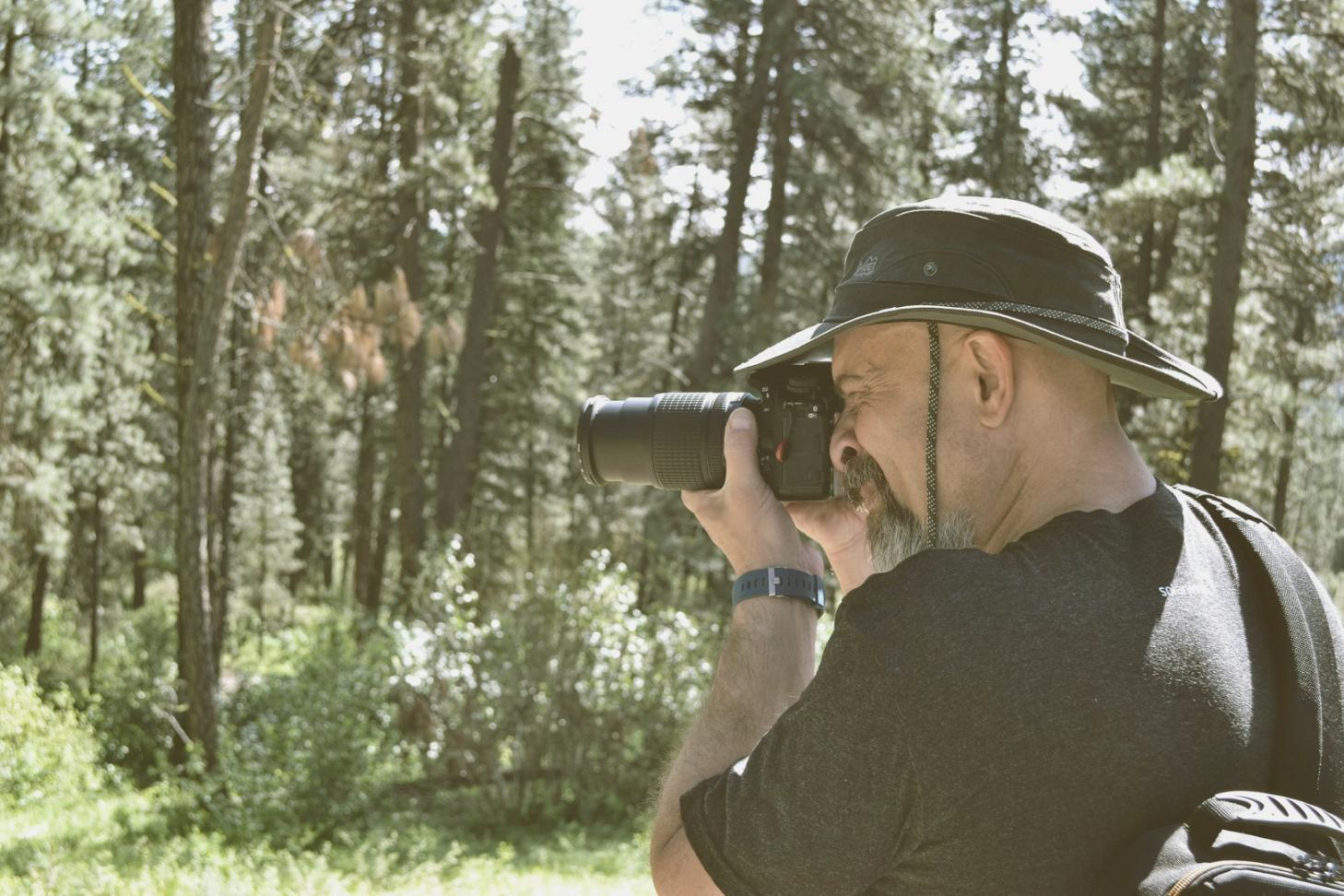
The people running these sessions
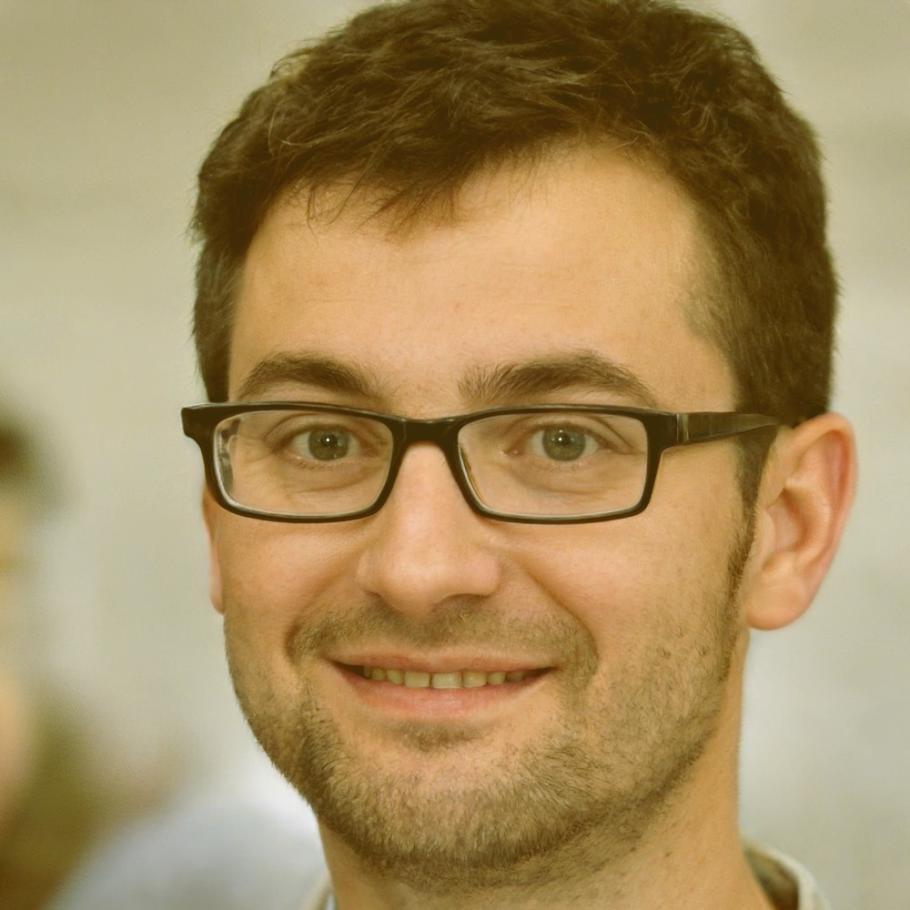
Valentin Koskinen
Lead Instructor
Valentin spent eight years photographing architecture before realizing that teaching composition felt more fulfilling than shooting it. He runs most of our live sessions and answers questions that don't fit neatly into slides.
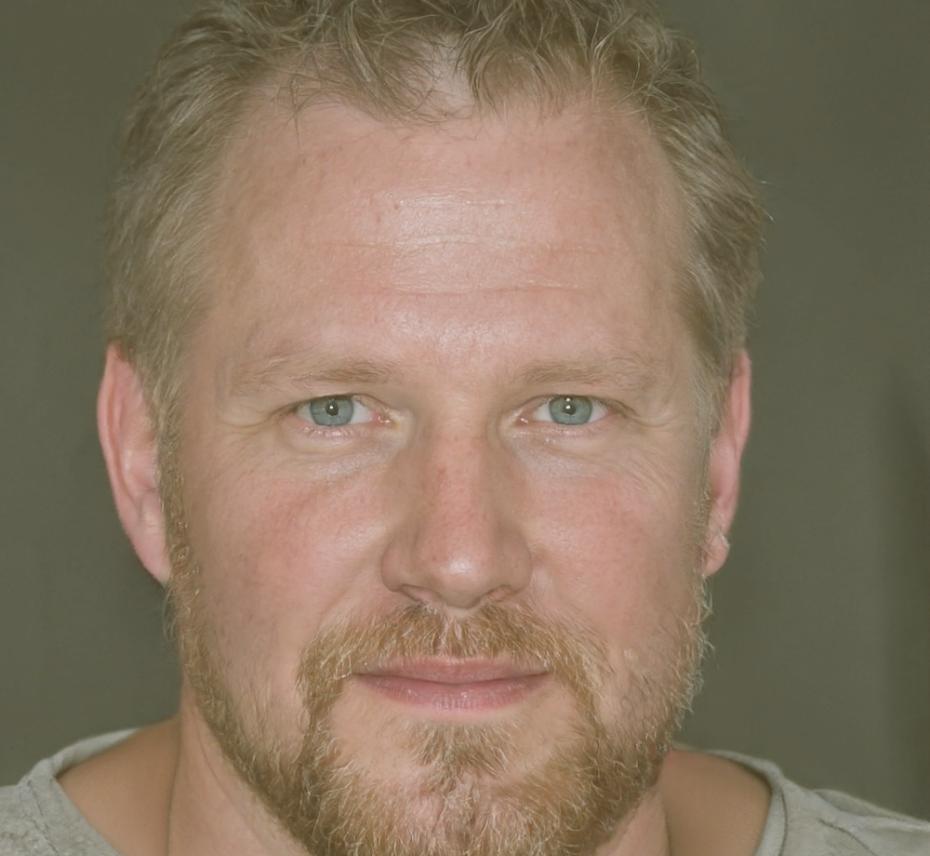
Dmytro Lazarev
Technical Coordinator
Dmytro handles the platform side—making sure streams don't drop, questions get routed properly, and recordings actually save. He also manages enrollment and keeps our participant database from turning into chaos.
What makes our approach different
Real-time feedback
Submit your images during the session and get immediate analysis. You see how composition principles apply to your actual work, not generic examples.
No pre-recorded lectures
Everything happens live. Questions get answered on the spot, and discussions adapt based on what participants actually struggle with that day.
Focused on one thing
We don't cover lighting, retouching, or gear. Just composition. That narrow focus means we go deeper than most general photography courses can.
How sessions typically work
Analysis phase
We examine 4-6 images in detail. Sometimes they're submitted by participants, sometimes they're well-known photographs. Either way, we break down what's happening structurally.
Discussion segment
Participants ask questions or share their own examples. This is where theory meets actual shooting situations. You learn what to watch for when you're framing.
Practice assignment
We give you something specific to try before the next session. Not homework in the graded sense, just a focused exercise to apply what you just learned.

Want to see if this fits your learning style?
Check out what we cover in our program or reach out if you have specific questions about how the sessions work.